


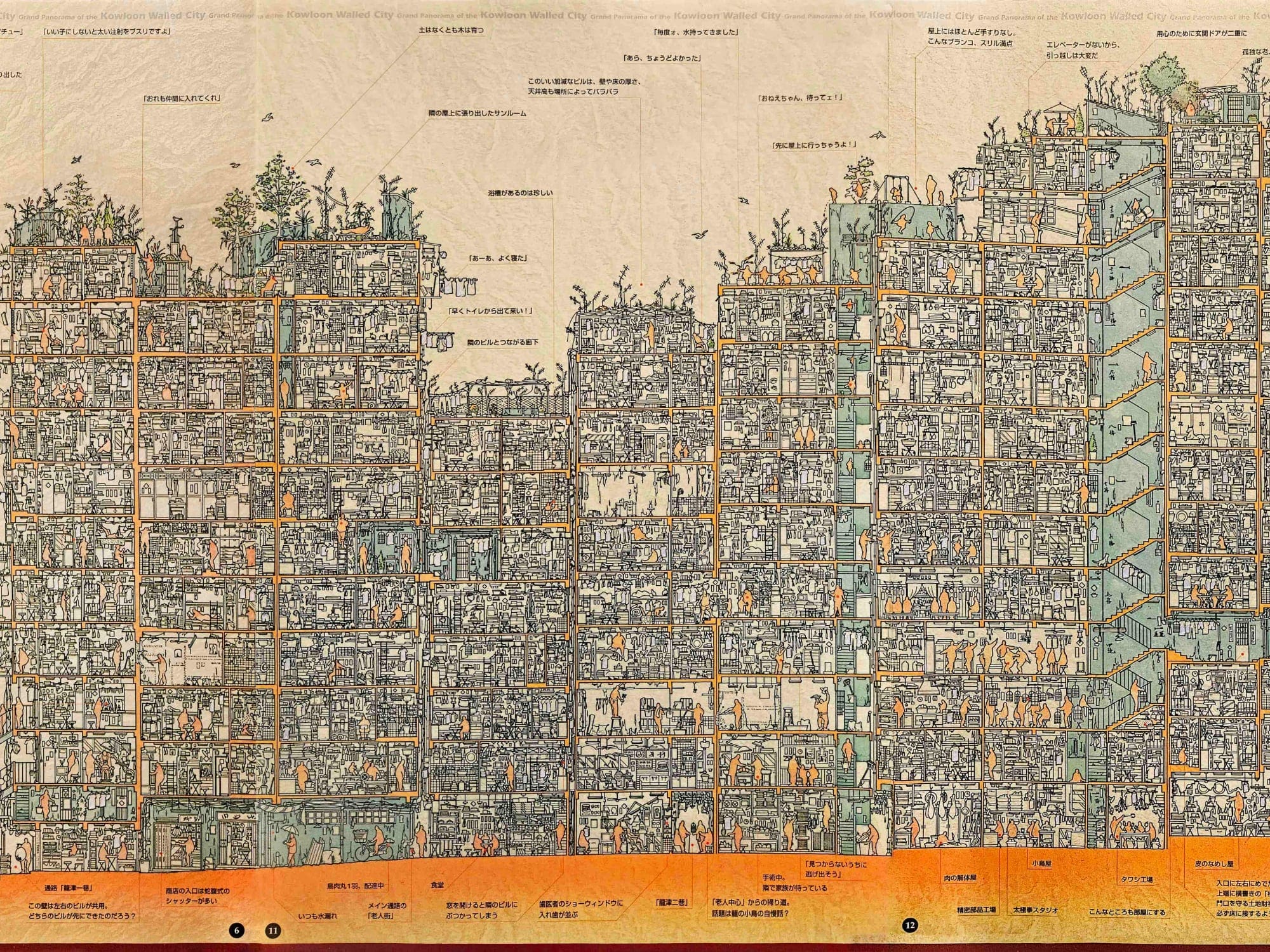
Telegram is an application that began as a messaging app built on an encryption promise. Today, Telegram exists in the Internet the way certain neighborhoods exist in real cities––not because anyone planned them, not because a developer filed permits and laid infrastructure, but because the land was cheap and the landlord didn’t ask questions.
Most people know Telegram houses seedy things. Fewer appreciate that it houses them at a scale and complexity that makes the word “seedy” feel quaint. What Pavel Durov built, intentionally or not, is less a messaging app than a sovereign territory with its own currency and its own infrastructure.
The platform claims over a billion users, which is a number that sounds impressive especially when you realize that a sizeable portion of them are not using it to chat with friends and family but rather to sell things that are illegal, gamble, and engage with fringe ideologies. This is not a design flaw; it is a natural progression for an application whose founder describes it as a platform for freedom of speech. This is technically accurate in the same way that the Silk Road was a free market economics experiment and a gun shop can describe itself as a platform for conflict resolution.
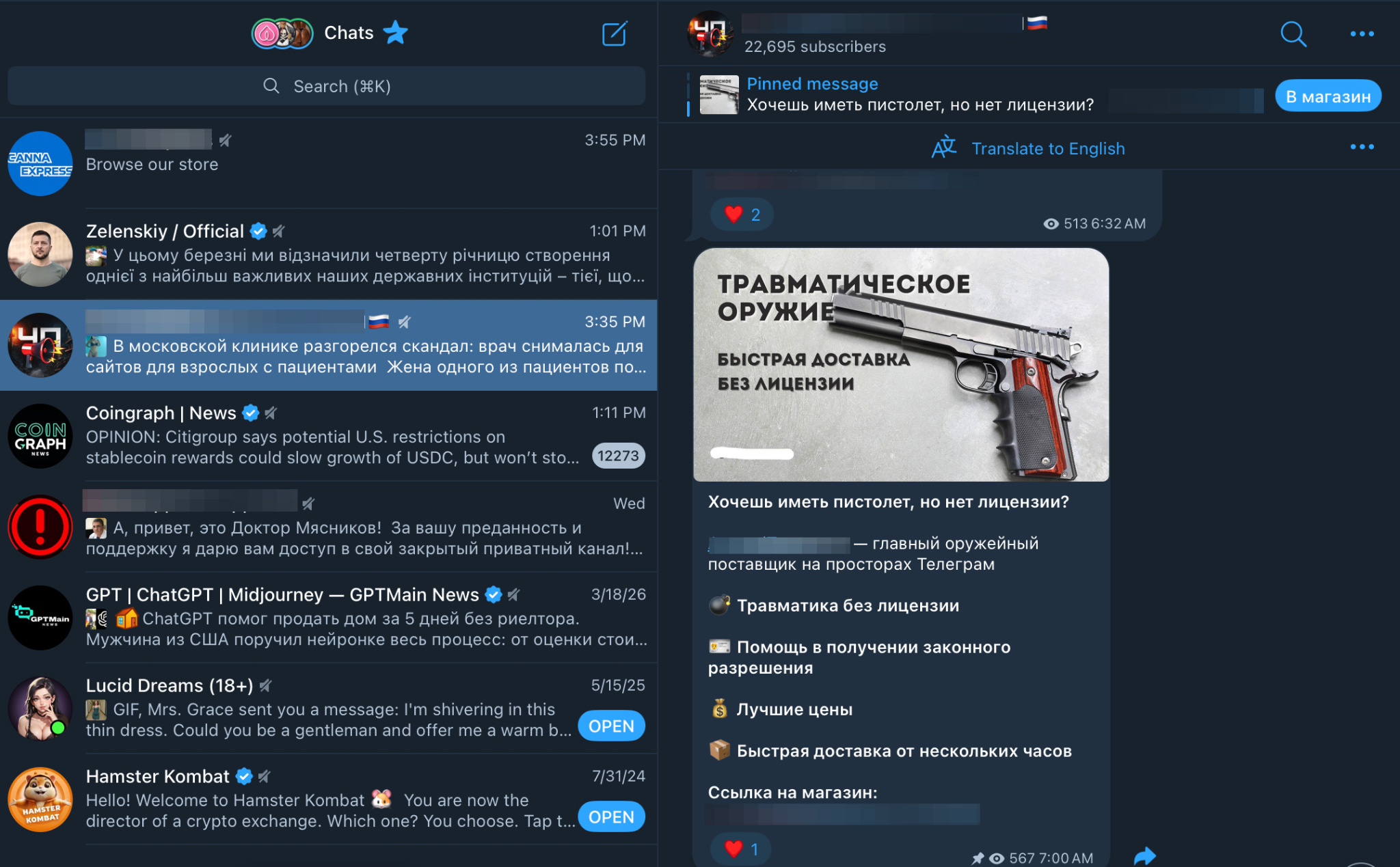
Telegram’s architecture is communication-centric: you can send messages that vanish and create channels that broadcast to millions with no friction. But the whole apparatus truly becomes alive thanks to the bots; they are what make it a city rather than a bulletin board. Bots are the city’s infrastructure. Some are bouncers, verifying membership before granting channel access. Some are streamers, broadcasting content continuously to passive audiences. Some are couriers, automating delivery logistics. Some are lawyers, enforcing the rules of private groups without human oversight. And yes, some are cashiers, performing every conceivable commercial function from pizza delivery to fentanyl procurement. Our pre-print on bots (to appear at ICWSM later this year) is out.
Bots, through their Turing completeness, dissolve technical constraints and extend Telegram’s functionality to whatever humans decide to want. The bots are the vending machines. The only question left is the currency.

Money is where app stores and governments can take their cut––the entities that need to look away for this experiment to continue. Telegram has engineered its own economic plumbing accordingly. Inside the app there are Stars, an in-app currency for digital transactions. Alongside it, there is a blockchain, wallets, and a suite of cryptocurrency integrations. For the privacy-conscious, there is an in-app browser pointed at decentralized websites in its very own TON network, and failing that, in-app JavaScript rendering that never requires you to surface into the visible Internet at all.
Arriving at the Walled City of Telegram is easy. Many newcomers have visited its various storefronts by deciphering QR codes posted on street lamps, or by searching for synthetic joy at a music festival.
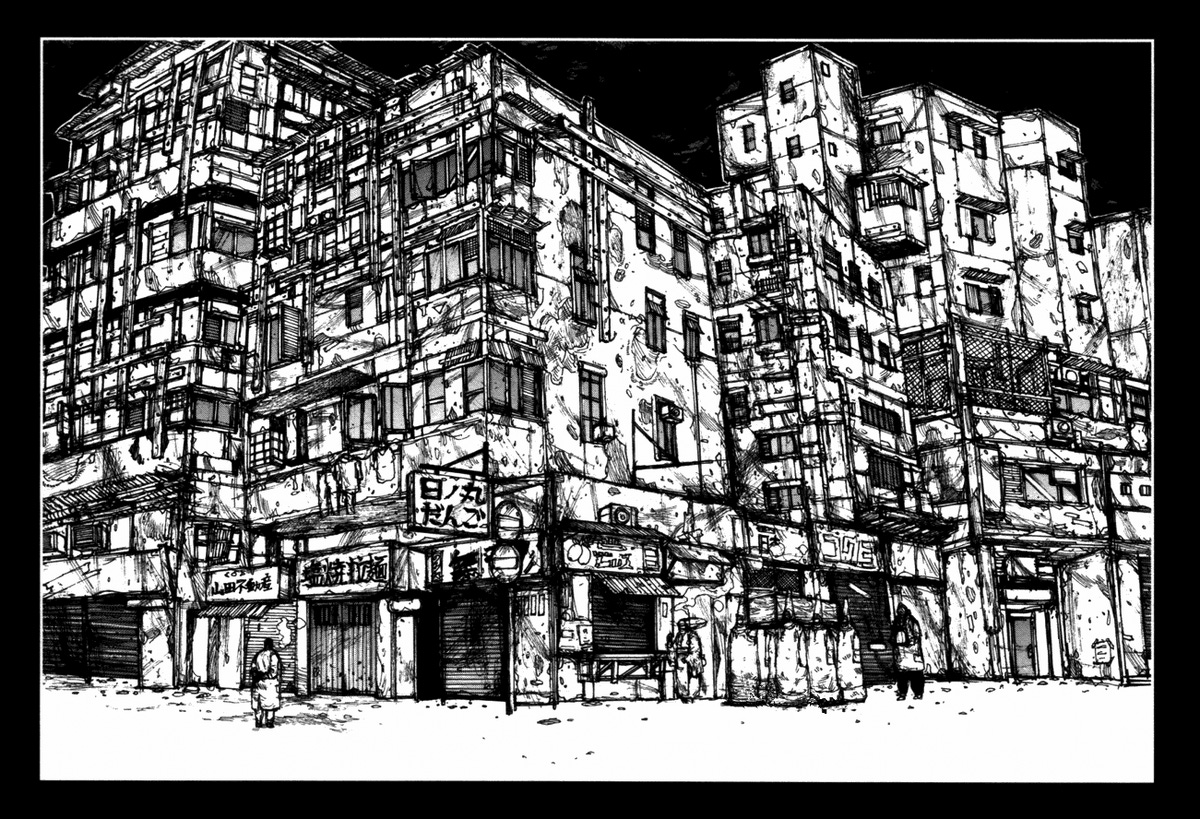
If you don’t have a plug, finding your way around is tough. There are no sanctioned yellow pages. Google has not mapped this place out. Outside observers, don’t know how deep the tunnels are, nor how many rooms, nor how many people; only what Telegram tells us. There are third and fourth parties that have attempted walking every corridor and knocking on every door. Of course, a lot of residents want to stand out and attract your business so they put up posters and leave flyers through their very own advertising ecosystem and mini app store. But many rooms are closed to the public and many groups prefer their nooks and crannies to stay tucked away. If you know a guy that knows a guy, you might get an intro.
Telegram is self-sufficient and wants for nothing. It has its own currency. Its own blockchain. Its own advertising ecosystem. Its own browser. Its own app store. It is both externally and internally opaque. Those who wish to be found can, and those who wish to stay tucked away will. With all this infrastructure, what did you imagine people would build?
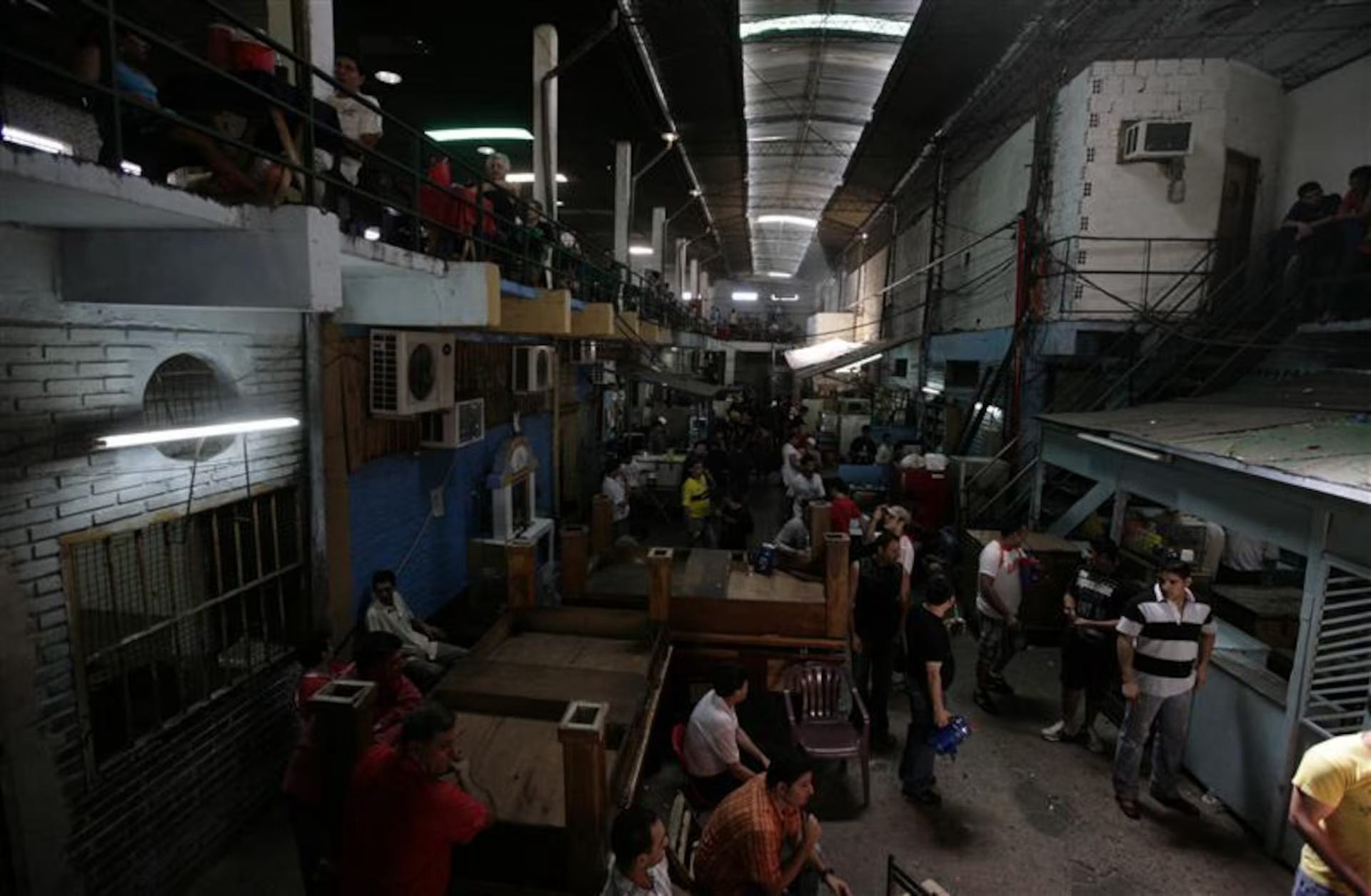
What Telegram has accidentally built, in the process of annoying the FSB and the FBI and the BKA and approximately forty other law enforcement acronyms simultaneously, is the infrastructure that Tor always promised but never delivered: a functional underground economy at consumer scale. Tor was too complicated; too easy to fuck up. It offered mathematical guarantees to people who couldn’t reliably operate a VPN. Telegram offered something more valuable than formally verified security––it offered convenience. The onboarding is an app store download. The payments are automated. You give up Tor’s cryptographic promises for Telegram’s pinky promise that they will not rat you out, and it turns out that for most people, most of the time, that trade is worth making. This is what scaling an illicit economy actually looks like: not dark, not hidden, not technically sophisticated. Just friction, methodically removed.
Adjacent Reading
Rice Media. The Risks and Rewards of Telegram Sex Work
Marjanov et al. Stayin’ Alive: How Global Stolen Data Markets Thrive on Telegram (Embargoed Until July 2026).
Roy et al. DarkGram: A Large-Scale Analysis of Cybercriminal Activity Channels on Telegram
Marechal, From Russia With Crypto: A Political History of Telegram
Chou et al. Bots can Snoop: Uncovering and Mitigating Privacy Risks of Bots in Group Chats
man read gonzo labs. man intelligent now. thumb up 👍🏼
Great piece, I am waiting for part 2